
Why does regular roof maintenance matter?
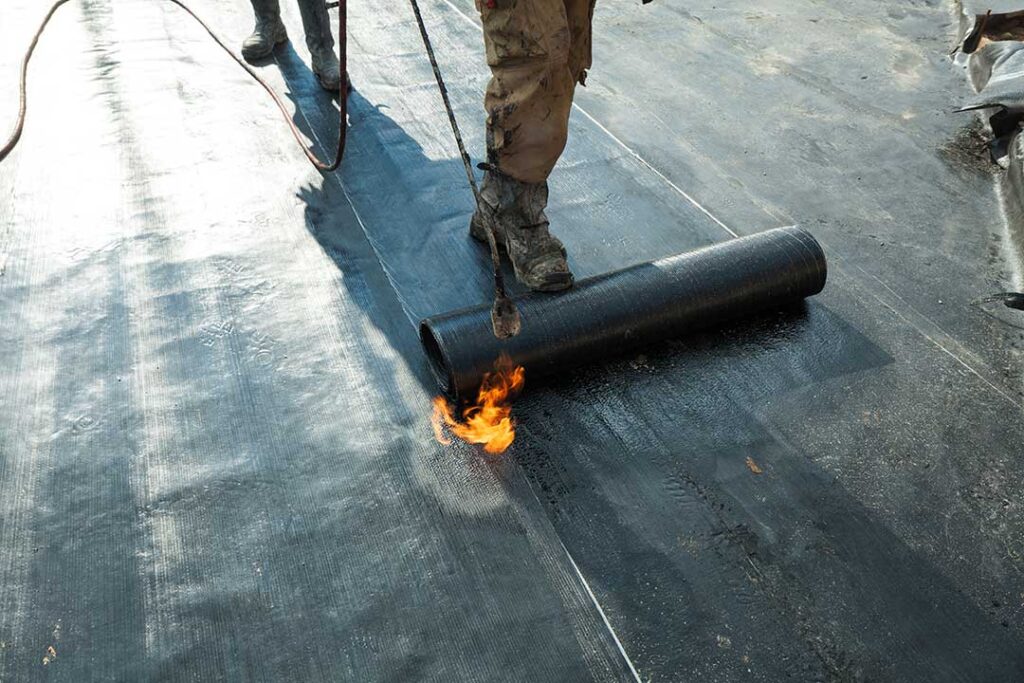
Regular roof maintenance helps identify small defects before they become leaks, structural damage, or costly interior repairs. A roof does more than keep rain out; it protects insulation, ceilings, framing, electrical components, and household belongings from repeated exposure to moisture.
For residents of Ontario, NY, seasonal weather makes routine attention especially useful. Roofs may face winter snow, ice buildup, wind, spring rain, summer heat, falling leaves, and rapid temperature changes within the same year. These conditions can gradually loosen materials, clog drainage paths, and expose weak areas that may not be visible from the ground.
Maintenance is not the same as replacing a roof. It is the process of inspecting, cleaning, correcting minor issues, and monitoring changes over time.
How can maintenance prevent roof leaks?
Most roof leaks begin with a relatively limited problem, such as a damaged shingle, failed flashing, exposed fastener, cracked sealant, or blocked drainage area. Water may enter through that opening and travel along roof decking, insulation, or framing before appearing as a ceiling stain.
By the time a stain is visible indoors, the source may be larger or farther away than expected. Regular inspections can find warning signs earlier, including:
- Missing, lifted, curled, or cracked shingles
- Loose metal flashing around roof openings
- Damaged rubber seals around vents
- Accumulated leaves or organic debris
- Sagging areas or uneven roof lines
- Granules collecting in gutters or at downspout outlets
- Damp insulation or musty attic odors
Addressing a minor defect does not guarantee that a roof will never leak, but it reduces the chance that a small failure will remain unnoticed through several storms or freeze-thaw cycles.
What does winter weather do to a roof?
Winter conditions can stress roofing materials in several ways. Snow adds weight, while ice can obstruct drainage and allow water to collect near roof edges. Repeated freezing and thawing can widen small cracks and loosen materials that were already weakened.
Ice dams are another concern on roofs with uneven attic temperatures. They form when heat escaping through the roof melts snow on warmer upper sections. The water can refreeze near colder eaves, creating a ridge that interferes with drainage. Not every ice buildup is an ice dam, and removing ice with sharp tools can damage shingles.
Before winter, maintenance generally focuses on clearing drainage paths, checking flashing, observing attic ventilation, and correcting known defects. After major snow or wind events, a visual inspection from the ground can reveal displaced materials or unusual buildup. Snow should not be climbed onto or removed by untrained individuals because roof surfaces can be slippery and structurally stressed.
Why should gutters and downspouts be part of roof maintenance?
A roof system depends on proper drainage. Gutters and downspouts direct water away from roof edges, exterior walls, windows, foundations, and walkways. If they are clogged or detached, water may spill over the sides and repeatedly soak areas that were not designed to handle concentrated runoff.
Common drainage problems include:
- Leaves and twigs blocking gutter channels
- Downspouts that discharge too close to the foundation
- Loose hangers or sagging gutter sections
- Water marks beneath roof edges
- Splashing or erosion near the base of a downspout
- Ice buildup caused by poor water flow
Cleaning should be done safely from stable ground or by someone properly equipped for ladder work. Gutters can contain wet debris, insects, sharp metal edges, and slippery surfaces. A clean gutter that is poorly sloped or disconnected may still fail to move water effectively, so physical condition matters as much as cleanliness.
How often should a roof be checked?
A practical schedule is to inspect the roof at least twice a year, commonly in spring and fall, and again after unusually strong wind, heavy snow, or severe storms. The right frequency depends on the roof’s age, slope, surrounding trees, previous repairs, and exposure to weather.
A roof may deserve closer monitoring if it has:
- Mature trees with branches overhanging the roof
- A history of leaks or storm damage
- Areas with limited sunlight and slow drying
- Several roof penetrations, such as vents or skylights
- Visible moss, algae, or persistent debris
- Aging shingles or brittle flashing
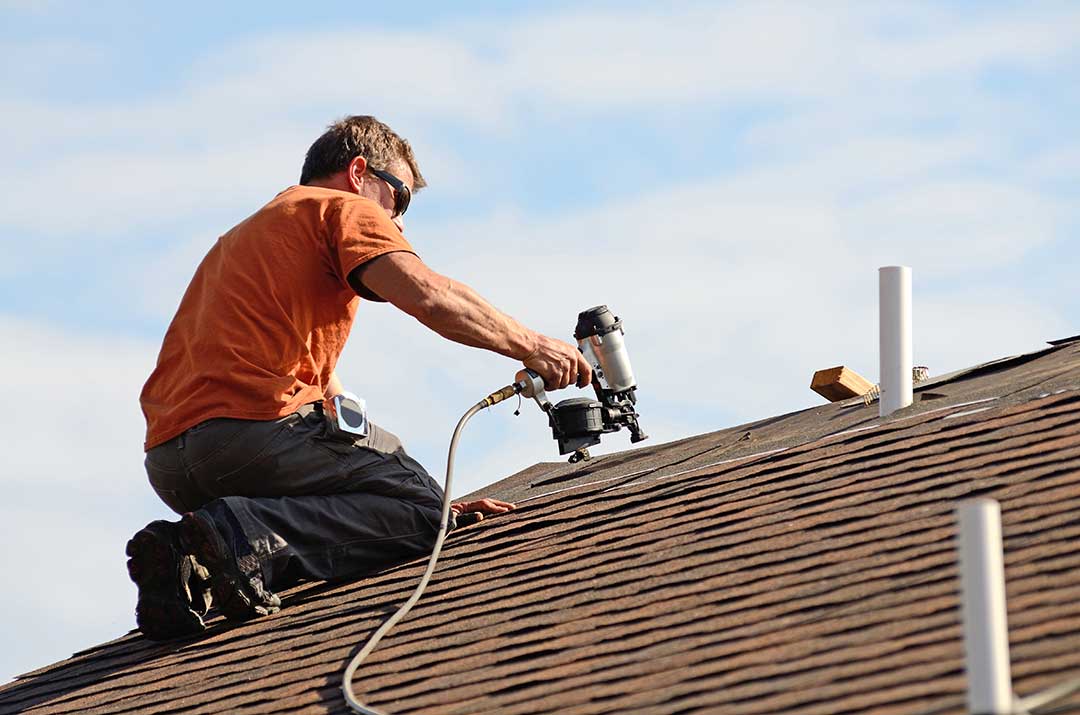
Routine checks do not always require walking on the roof. Many conditions can be observed safely from the ground with binoculars, from attic spaces, or during gutter cleaning. Walking on shingles can cause damage and increases the risk of falls, particularly when surfaces are wet, icy, steep, or covered with loose granules.
Can maintenance extend a roof’s useful life?
Maintenance can help a roof reach its expected service life by reducing preventable damage and allowing repairs to be made before surrounding materials are affected. It cannot reverse normal aging, correct poor installation, or guarantee a specific number of years.
Small defects often become more serious when they allow water beneath the surface. Moisture can deteriorate roof decking, rust metal components, reduce insulation performance, and encourage mold growth under suitable conditions. Keeping the roof dry and well-drained helps limit those secondary problems.
It is also useful to keep records of inspections and repairs. Notes about dates, observed conditions, storm events, and completed work can make it easier to recognize recurring problems and distinguish an isolated repair from a broader pattern of deterioration.
What roof problems should not be ignored?
Some signs call for prompt attention because they may indicate active water entry or a safety concern. These include a ceiling that is wet or bulging, water near electrical fixtures, extensive shingle loss, a visibly sagging roof section, or debris from the roof found around the property.
An attic inspection may reveal darkened wood, wet insulation, daylight visible through the roof covering, or water trails. However, attics can contain exposed nails, limited flooring, poor ventilation, and electrical hazards. Entering only areas designed for safe access is essential.
Emergency conditions may require temporary protection to limit additional water entry until permanent corrective work can be completed. Roof access after a storm, during winter, or near damaged electrical components presents particular risks and should not be attempted casually.
Is moss or algae always a serious roof problem?
Moss and algae are not automatically evidence that a roof must be replaced. Algae may mainly affect appearance, while moss can hold moisture against roofing materials and lift edges as it grows. The effect depends on the roof covering, severity, location, and length of time the growth has been present.
Aggressive scraping, pressure washing, or harsh chemical use can remove protective granules and damage shingles. Any cleaning method should be appropriate for the roofing material and used in a way that protects plants, siding, gutters, and people below.
Regular removal of leaves and branches, better air movement, and trimming vegetation that keeps the roof damp can help reduce recurring growth. The presence of moss should be considered alongside the roof’s age, drainage, and overall condition rather than treated as a stand-alone diagnosis.
What is the main benefit of a maintenance routine?
The central benefit is better control over roof condition. Regular observation helps property owners understand whether a problem is new, recurring, seasonal, or part of normal aging. It also reduces surprises by connecting roof care with attic ventilation, drainage, insulation, and exterior maintenance.
For households in Ontario, seasonal checks are especially practical because the roof must transition repeatedly between snow, rain, wind, heat, and freezing temperatures. A simple record, safe visual inspections, clear gutters, and prompt attention to visible changes can protect the building without turning every minor observation into an emergency.
