
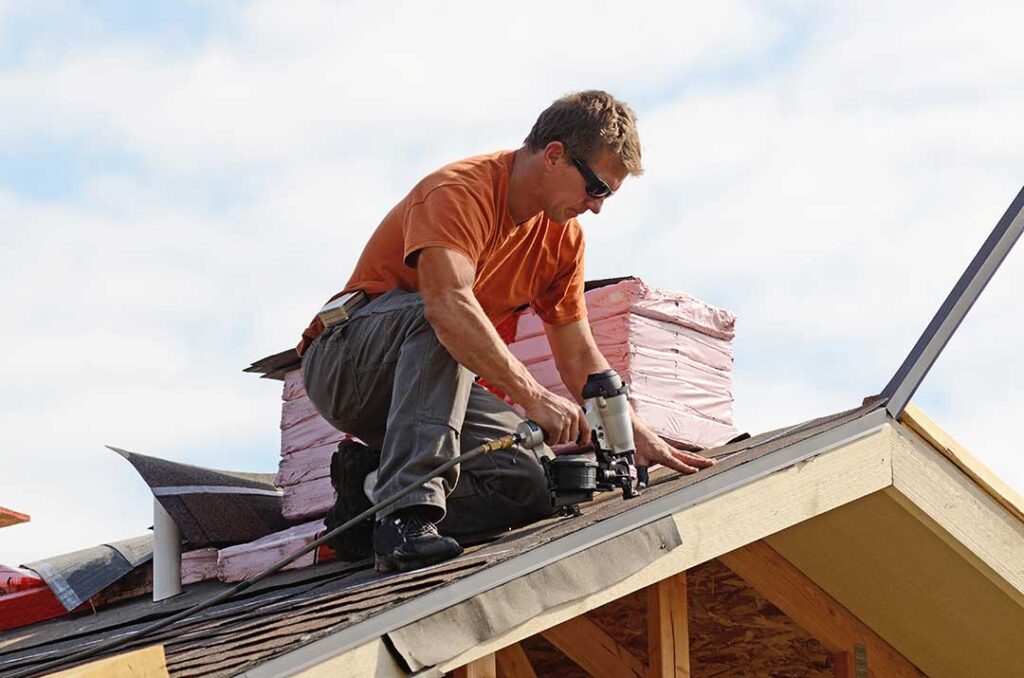
How Does Homeowner’s Insurance Cover Roof Damage?
Homeowner’s insurance typically covers roof damage if it’s caused by events beyond your control, like storms, hail, or fire. Routine wear and tear, neglect, and some specific causes may not be covered.
In Ontario, NY, area households often file claims after seasonal storms bring heavy wind, snow, or ice. If a tree limb crashes through your roof during a winter storm or high winds damage shingles, a standard policy usually helps pay for repairs—subject to your deductible and policy limits. However, if the roof leaks due to age or overdue repairs, insurance is less likely to provide coverage.
Which Kinds of Roof Damage Are Usually Included?
Most homeowners’ policies cover “sudden and accidental” roof damage.
- Storms: Wind, hail, and falling objects (like tree branches or ice chunks) are covered events.
- Fire: Damage from fire or lightning is almost always included.
- Vandalism: If your roof suffers intentional harm, it may qualify for coverage.
What’s not included? Damage from gradual wear, moss, algae, or careless maintenance is generally excluded. Leaks from old, brittle shingles won’t meet most insurance thresholds.
How Do Insurers Decide What Will Be Paid For?
Insurance companies evaluate the cause, condition, and age of your roof to decide how much to pay and for what scope of repairs.
- Actual Cash Value vs. Replacement Cost: Many policies cover either the “actual cash value” (the depreciated amount) or the “replacement cost” (the price to install a new similar roof). If your roof is relatively new and you purchased replacement cost coverage, payment is higher.
- Roof Age and Materials: Local homes often have asphalt shingles, which last about 15–25 years in the area’s variable climate. If your roof is near the end of its life, only depreciated value may be available.
- Documentation: Photos, repair records, and details help clarify whether the damage resulted from a sudden event or ongoing issues.
For example, if wind rips off new shingles after a spring thunderstorm, this is more likely to be covered at full replacement value compared to damage found on an aging, unmaintained roof.
What Should Area Residents Document Before Filing a Claim?
Proper documentation strongly affects claim outcomes. Before filing:
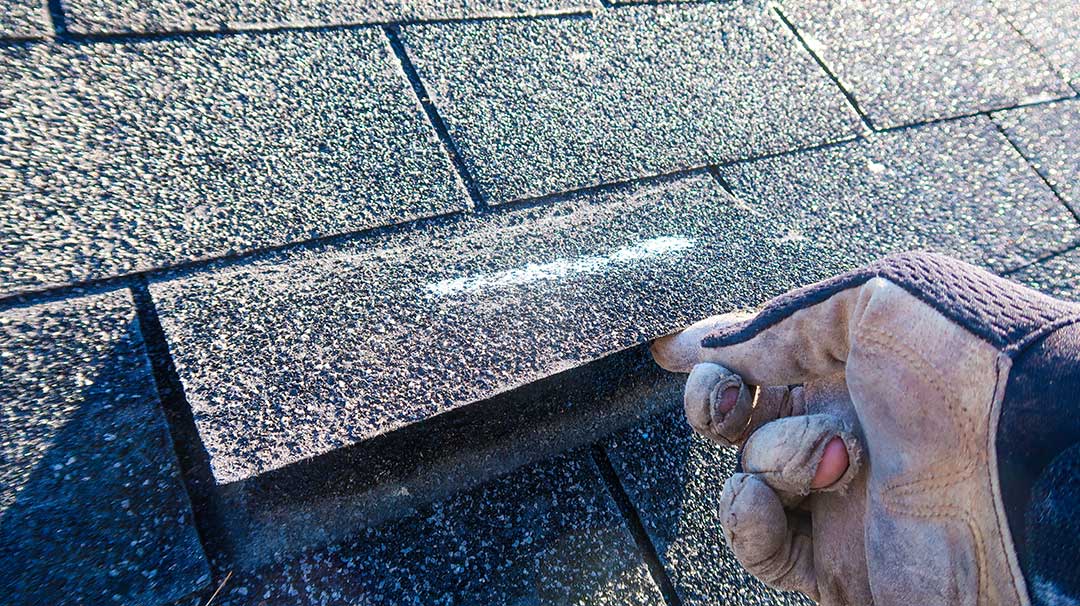
- Take clear photos of the damage immediately, including both close-ups and wide shots.
- Collect recent maintenance or inspection receipts.
- Note the timing and cause of the event as specifically as possible (e.g., “Occurred during the March nor’easter,” or “Hail during July thunderstorm”).
- Temporarily cover exposed areas with a tarp to prevent further interior damage—insurers may deny additional repairs if the roof is left open to the elements.
Documenting your roof’s general condition before storm season can also be helpful in the event you need to file a claim later.
Do Insurers Require Regular Roof Maintenance?
Upkeep is a standard expectation for insurance policies. Homeowners need to address minor issues proactively—replacing cracked shingles, clearing debris, and unclogging gutters.
If a future claim reveals long-term neglect, the insurer might argue that the damage was avoidable, resulting in a partial payout or outright denial. Residents in this region, where winter ice and autumn leaves are common, benefit from annual inspections and prompt repairs.
How Do Deductibles and Policy Limits Affect Roof Claims?
You are responsible for paying a deductible before insurance funds repairs. Policy language determines the exact deductible amount.
- If the cost to repair your roof is less than or just above the deductible, you may need to pay the total expense out-of-pocket.
- On some policies, there may be a higher deductible specifically for wind or hail damage, which is worth checking before storm season arrives.
Coverage limits cap how much insurers will pay for a single claim or within a year. Review these amounts—especially if your roof is large or uses premium materials.
What Are Common Misconceptions about Roofing and Home Insurance?
Area households sometimes assume insurance acts as ongoing maintenance or roof replacement coverage. In reality:
- Insurance is not a maintenance plan—roof replacement just because of old age is not covered.
- Insurance might cover only part of an older roof’s replacement, factoring in depreciation.
- Claims for leaks or rot occurring over many years are often denied.
- Secondary water damage to interiors may not be covered if a homeowner delayed patching a roof after damage.
Understanding the policy’s written exclusions and conditions saves stress in emergencies.
Do Building Codes and Local Weather Impact Coverage?
Yes. Roof replacements or major repairs usually must comply with local building codes in the city and surrounding area. If your insurance covers a new roof after storm damage, it may pay extra to bring the structure up to code, but sometimes only if you’ve purchased “code upgrade” or “ordinance or law” coverage.
Ontario sees lake-effect snow, fluctuating temperatures, and high winds. These conditions can impact both policy premiums and the likelihood of claims for issues like ice damming or wind uplift. Being aware of local weather patterns helps residents prepare their roofs—and insurance files—accordingly.
