
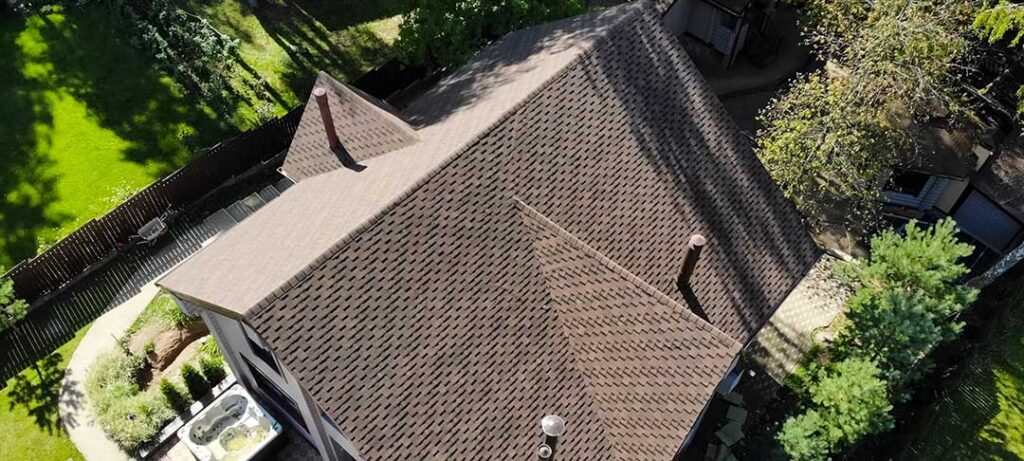
Weather affects a roof gradually and sometimes suddenly. Sunlight, wind, rain, snow, ice, and changing temperatures can weaken roofing materials in different ways. In Ontario, NY, seasonal weather patterns make it useful to understand which problems are normal signs of aging and which may indicate active damage.
How does sunlight affect a roof?
Ultraviolet radiation gradually breaks down roofing materials, especially on surfaces that receive direct sun for much of the day. Asphalt shingles can lose flexibility, fade, dry out, or begin shedding their protective granules.
Granules help shield the asphalt layer from sunlight and provide texture that helps manage water runoff. As shingles age, loose granules may collect in gutters and downspouts. A small amount can be normal, but a noticeable increase after a storm or roof cleaning may deserve closer attention.
Sun exposure can also affect:
- Rubber flashing around vents and other roof penetrations
- Sealants used around exposed joints
- Plastic components such as vent covers
- Painted or coated metal surfaces
- Roofing areas with little shade and strong afternoon exposure
A roof does not need to look dramatically faded to be affected by sunlight. Brittleness, curling edges, and exposed fiberglass strands may be more useful clues than color changes alone.
Can wind damage shingles even without a major storm?
Yes. Strong wind can lift shingle edges, loosen flashing, damage ridge caps, and push water into areas that normally remain dry. Repeated wind exposure may weaken adhesive seals before visible damage appears.
Wind-related roof problems are more likely where the roof has:
- Older shingles
- Loose or missing fasteners
- Exposed edges and corners
- Nearby trees or branches
- Previous storm damage
- Poorly secured flashing or vent covers
After windy weather, homeowners may notice shingles in the yard, bent metal, exposed underlayment, or small pieces of roofing material near downspouts. However, not all wind damage is visible from the ground. A shingle can remain in place while its lower edge is lifted enough to allow water underneath.
Walking on a roof to inspect it can cause additional damage and creates a fall risk. Ground-level observations, attic checks, and photographs taken from a safe location are usually more appropriate for routine monitoring.
What problems can rain cause?
Rain is not usually harmful to a sound roof, but it can reveal weaknesses that were already developing. Water may enter through missing shingles, cracked flashing, open seams, clogged drainage paths, or deteriorated areas around roof penetrations.
Leaks do not always appear directly below the damaged area. Water can travel along roof decking, rafters, insulation, or ceiling materials before becoming visible indoors. A stain on a ceiling may therefore be several feet away from the actual entry point.
Common indoor signs include:
- Brown or yellow ceiling marks
- Damp attic insulation
- Peeling paint
- Musty odors
- Drips during or after rainfall
- Darkened roof sheathing
- Soft areas around attic penetrations
A single stain does not always identify the full extent of a leak. It may reflect one event, repeated moisture, condensation, or an older repair that was never fully resolved.
How do snow and ice affect roofing?
Snow adds weight to the roof, while melting and refreezing can create difficult drainage conditions. Most properly designed roofs can support ordinary seasonal snow, but uneven accumulation, drifting, wet snow, and existing structural problems can increase stress.
Ice dams form when heat escapes into the attic and warms portions of the roof. Snow melts on the warmer area, flows toward a colder eave, and refreezes. The resulting ice can block drainage and allow water to move beneath shingles.
Ice dams are more likely when a roof has:
- Uneven attic insulation
- Air leaks around light fixtures, ducts, or attic openings
- Inadequate ventilation
- Deep snow followed by below-freezing temperatures
- Roof sections with different sun exposure
Removing snow or ice with sharp tools can damage shingles and underlayment. Roof-edge ice should not be chipped away aggressively. Preventing recurring ice dams generally involves improving attic air sealing, insulation, and ventilation rather than treating only the visible ice.
Why are freeze-thaw cycles hard on a roof?
Freeze-thaw conditions cause water to expand when it freezes and contract as it melts. Small openings in flashing, masonry, sealants, or roofing components can gradually become larger as moisture repeatedly freezes inside them.
These cycles can contribute to:
- Cracked or displaced flashing
- Split sealants
- Open seams
- Damaged chimney edges
- Loosened fasteners
- Moisture intrusion around vents and skylights
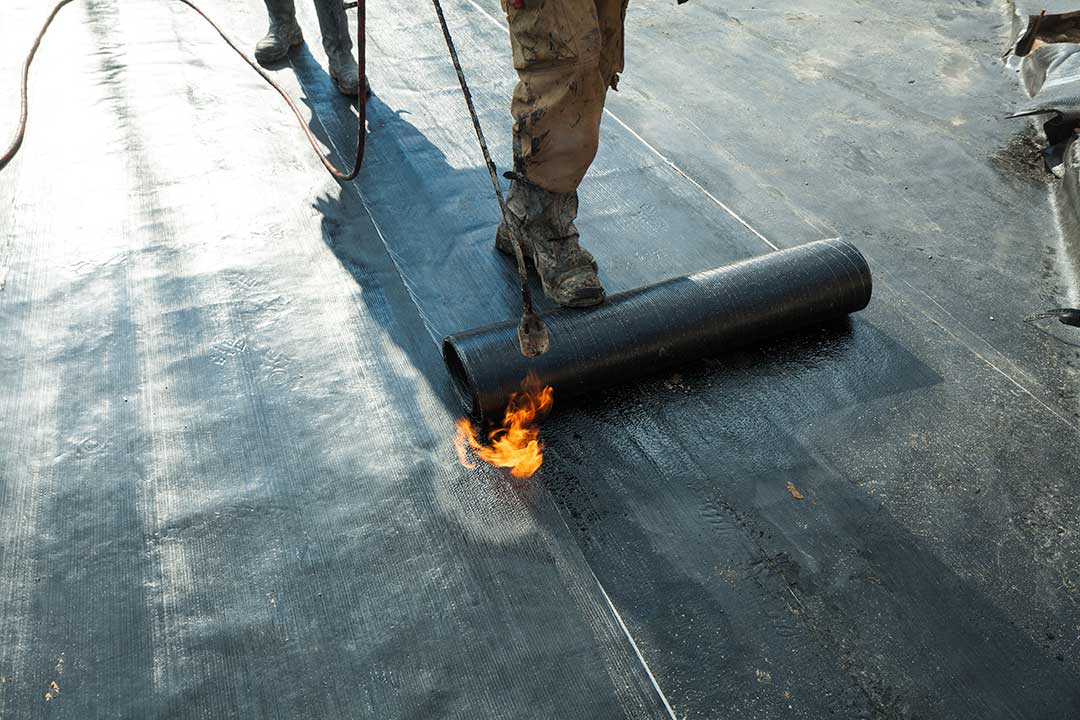
Temperature swings can also make roofing materials stiff and brittle during cold weather, then more flexible during warmer periods. This repeated movement is one reason minor defects may become more noticeable after winter weather.
The roof itself is not the only area to watch. Gutters, downspouts, attic insulation, and exterior drainage paths all influence how water behaves around the building.
Does humidity or condensation damage a roof?
Moisture inside the attic can cause problems even when the roof covering is intact. Warm indoor air may enter the attic through gaps around ceiling fixtures, plumbing penetrations, access panels, or ductwork. If that air meets cold roof surfaces, condensation can form.
Attic condensation may appear as:
- Damp insulation
- Frost on roof sheathing during cold weather
- Rusted nails
- Mold-like discoloration
- Water droplets after a temperature change
- A persistent musty smell
Condensation is sometimes mistaken for a roof leak because both can wet insulation or stain wood. The timing can provide a clue: condensation may appear during cold periods without rainfall, while a leak often becomes worse after precipitation. Both conditions can occur at the same time.
Proper attic ventilation helps release moisture, but ventilation alone cannot compensate for substantial air leakage from the living space. Air sealing and insulation work together with ventilation.
How should a roof be checked after severe weather?
A safe inspection begins from the ground and inside the attic. Look for missing or displaced shingles, damaged metal, fallen branches, blocked gutters, ceiling stains, and changes in attic moisture.
After severe weather, useful observations include:
- Whether water is entering living areas
- Whether gutters are pulling away from the structure
- Whether downspouts remain connected
- Whether tree limbs are resting on the roof
- Whether daylight is visible through the roof deck
- Whether a section of the roof appears uneven or sagging
Active leaks, exposed decking, substantial structural movement, or electrical fixtures affected by water require prompt attention because the risk may extend beyond roofing materials. Water near electrical components should be treated as a safety concern.
Which roof problems can wait, and which cannot?
Minor granule loss, modest fading, and isolated cosmetic wear may not require immediate action. Active leaking, large missing areas, widespread shingle lifting, sagging, damaged flashing, and blocked drainage are more urgent.
A practical approach is to document changes with dated photographs, check the attic after major storms, and keep gutters and downspouts clear of accumulated debris. Tracking a roof over time makes it easier to distinguish ordinary aging from a new weather-related problem.
Weather rarely causes just one type of damage. Wind may loosen a shingle, rain may enter beneath it, and freezing temperatures may enlarge the opening. Understanding that sequence helps residents recognize problems earlier and respond before a small defect affects insulation, ceilings, framing, or interior finishes.
