
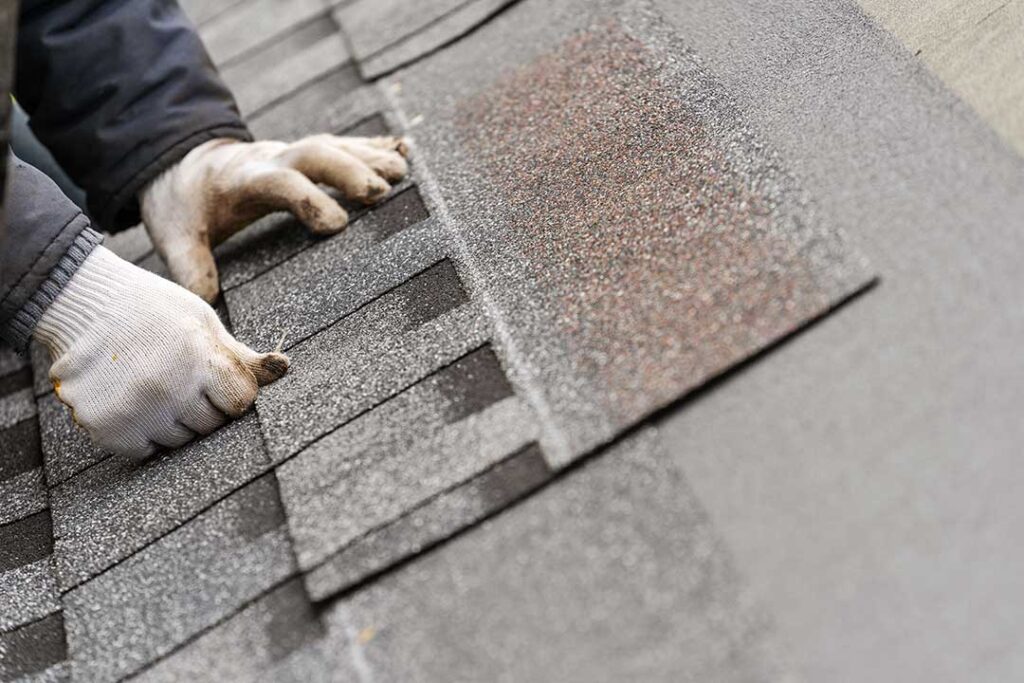
A roof inspection is a careful review of the roof system, attic, and related drainage areas to identify damage, aging materials, moisture problems, and conditions that may lead to larger repairs. For homeowners in Ontario, NY, routine inspections are especially useful because roofs must handle snow, ice, wind, heavy rain, freeze-thaw cycles, and changing temperatures throughout the year.
What does a roof inspection include?
A proper inspection examines more than the visible shingles. The goal is to understand how the entire roof system is performing.
A typical review may include:
- Shingles or other roof coverings
- Flashing around chimneys, vents, skylights, and wall intersections
- Valleys where two roof sections meet
- Gutters, downspouts, and roof edges
- Ventilation openings and exhaust vents
- Attic insulation, moisture, and visible daylight
- Signs of leaks, rot, mold, or structural movement
- Areas where branches, moss, or debris have collected
The inspection may be performed from the ground, from a ladder, on the roof when conditions are safe, and inside the attic. A roof can look acceptable from the street while still having damaged flashing, wet insulation, or inadequate ventilation.
How often should a homeowner inspect the roof?
Most homes benefit from a careful inspection at least once a year, along with an additional check after a major storm or unusual weather event. A practical schedule is to review the roof in spring and look again in fall before winter weather arrives.
More frequent inspections may be appropriate when:
- The roof is near the end of its expected service life
- Large trees overhang the house
- The home has experienced a leak
- Strong winds have occurred
- Snow or ice has accumulated heavily
- Remodeling or exterior work may have disturbed flashing
- The attic has a history of condensation or moisture
For area households, spring is a useful time to look for damage caused by ice, wind, and repeated freezing and thawing. Fall inspections can identify loose materials, blocked drainage, and maintenance issues before snow and ice make access more difficult.
What should homeowners look for from the ground?
A ground-level review is a useful first step, but it does not replace a complete inspection. Use binoculars if available, and look for changes rather than trying to diagnose every problem from a distance.
Warning signs include:
- Shingles that are missing, cracked, curled, blistered, or visibly lifted
- Dark patches that may indicate wear or moisture retention
- Excessive granules collected in gutters or at downspout outlets
- Sagging lines along the roof surface or roof edge
- Damaged metal around vents, chimneys, or other penetrations
- Gutters pulling away from the fascia
- Stains on exterior walls below roof edges
- Moss or plant growth that may be holding moisture against the roof
After a storm, look for branches, punctures, exposed underlayment, and displaced flashing. Do not assume that a roof is undamaged simply because there is no water stain indoors. Small openings can allow moisture into insulation or framing before a ceiling stain appears.
What can an attic inspection reveal?
The attic often provides some of the clearest evidence of roof performance. Inspect during daylight hours with a flashlight, staying on safe walking surfaces and avoiding areas between ceiling joists.
Look for:
- Damp or compressed insulation
- Brown or dark stains on wood
- Rusted nails or fasteners
- Frost or water droplets during cold weather
- Musty odors
- Visible daylight around roof penetrations
- Peeling or damaged interior materials
- Inadequate airflow near soffits, ridges, or gable vents
Not every attic stain means the roof is currently leaking. Some marks come from older leaks, condensation, plumbing, or an improperly vented bathroom fan. The location and pattern of the moisture matter. Water can travel along rafters and sheathing, so the stain inside may not be directly below the exterior opening.
Which roof problems need prompt attention?
Active water entry, structural movement, and exposed roof materials deserve prompt attention because they can worsen quickly. A temporary container under a drip may protect flooring, but it does not stop damage inside the roof assembly.
Urgent concerns include:
- A visible interior leak during or after rain
- A sagging roof deck or ceiling
- Large sections of missing or lifted shingles
- Exposed underlayment or bare roof decking
- Broken skylight or vent components
- Water near electrical fixtures
- Extensive ice buildup associated with leaking or damaged edges
- Tree impact or other major storm damage
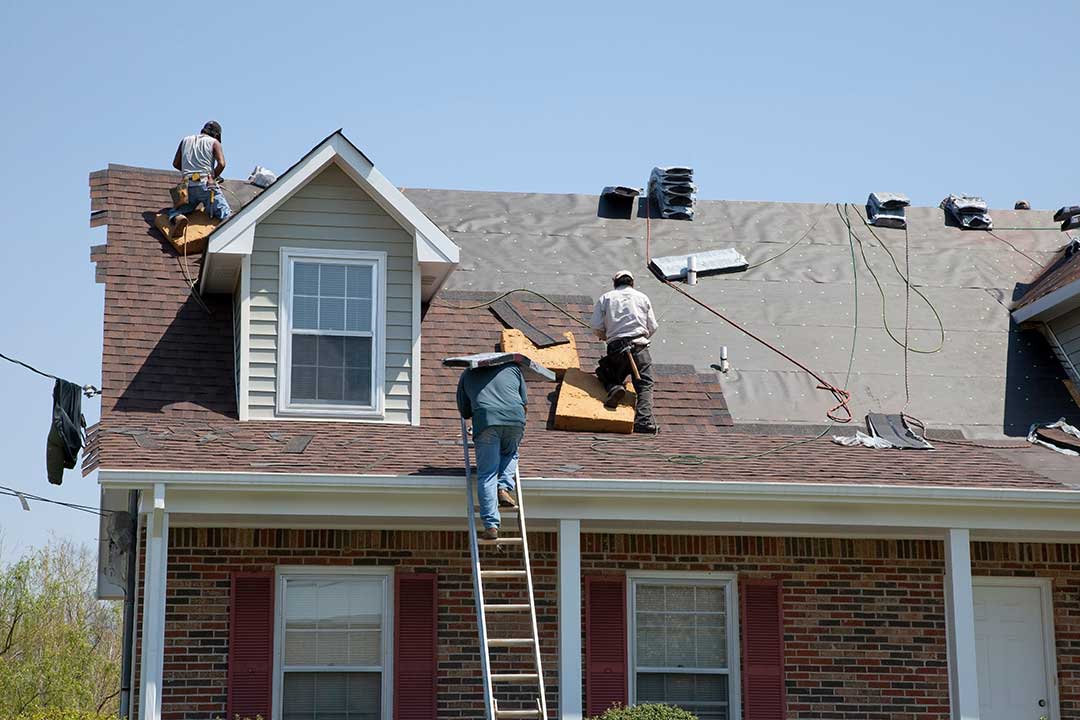
Water near wiring or electrical fixtures should be treated as a safety concern. Avoid touching wet electrical components and use appropriate caution while arranging emergency repairs through qualified help.
Are roof inspections the same as roof maintenance?
No. An inspection identifies conditions; maintenance addresses them. Cleaning leaves from valleys, keeping gutters clear, trimming hazardous branches, and replacing damaged flashing are maintenance activities that may follow an inspection.
Some apparent roof problems may also originate elsewhere. A clogged gutter can contribute to overflow, while poor attic ventilation can create condensation that resembles a roof leak. A careful assessment should consider the whole exterior drainage system and the attic rather than focusing only on shingles.
Homeowners should avoid pressure washing shingles, scraping aggressively at roofing materials, or applying unapproved coatings. These actions can remove protective granules or conceal damage without correcting its cause.
Can homeowners inspect a roof safely?
Many observations can be made from the ground, attic, and upper levels of the home. Walking on the roof is more hazardous than it may appear, particularly when surfaces are wet, icy, steep, covered with moss, or weakened by age.
Avoid roof access during:
- Rain, snow, frost, or strong wind
- Early morning conditions when surfaces may be slippery
- Ice buildup or active winter weather
- Situations involving damaged or sagging decking
- Any condition requiring unstable ladders or improvised equipment
Ladders should be placed on firm, level ground and kept clear of doors, vehicles, and overhead hazards. If a roof condition cannot be safely reached or viewed, it is better to document what can be seen from a safe location than to create a fall risk.
What information should be recorded after an inspection?
A simple record can help track changes over time and support decisions about maintenance. Note the inspection date, weather conditions, visible concerns, and the approximate age of the roof if known.
Photographs are useful when they show:
- The full roof slope for context
- Close views of damaged materials
- Flashing and drainage areas
- Attic stains or damp insulation
- Gutters and downspout discharge points
Keep records of previous leaks, repairs, storm events, and roof-related remodeling. Comparing photographs from one season to the next can reveal gradual curling, loss of granules, or recurring moisture patterns that are easy to overlook during a single visit.
What does a roof inspection report tell a homeowner?
A useful report should describe observed conditions in plain language, identify areas that need attention, and distinguish active problems from normal aging. It should also explain limitations, such as sections that were not accessible because of snow, unsafe conditions, or restricted attic space.
Homeowners should be cautious of reports that rely only on broad statements such as “good” or “bad” without photographs or specific locations. The most helpful information explains what was observed, how serious it appears, and whether monitoring, maintenance, or repair is appropriate.
For homes in Ontario, NY, a thoughtful inspection is not just a search for missing shingles. It is a seasonal check of the roof covering, drainage, flashing, attic conditions, and structural clues that help keep minor problems from becoming concealed damage.
