
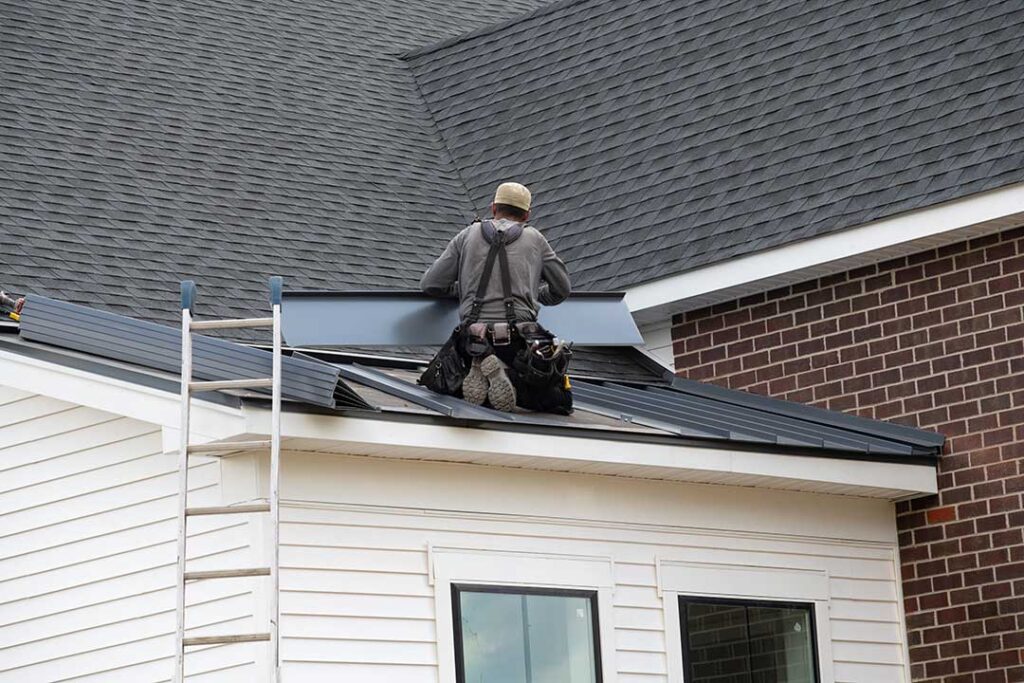
How Does Roof Replacement Affect Energy Bills?
A new roof can significantly impact the energy efficiency of homes in Ontario, NY. By improving insulation and ventilation, the right roofing system helps keep heat in during cold winters and out during warm, humid summers. This reduces how often heating or cooling systems need to run, which can result in noticeable savings on monthly energy bills for local households.
Why Are Older Roofs Less Energy Efficient?
Older roofs in Ontario, NY often lack the insulation, tight seals, and modern materials found in newer constructions. Over years of freeze-thaw cycles, heavy snow, and weather changes typical in the region, shingles may curl or crack and underlayment can deteriorate, creating gaps or air leaks. These weaknesses allow heated or cooled air to escape from living spaces, forcing HVAC systems to work harder and use more energy.
- In older homes, the attic may also have outdated insulation that has compacted or been displaced by animals or moisture, further reducing its effectiveness.
- Aging roofs may be missing critical layers such as vapor barriers, which help manage moisture and regulate temperature.
Can New Roofing Materials Make a Difference?
Yes, advances in roofing technology have created materials that are far superior in energy performance compared to those installed even 20 years ago.
- Modern asphalt shingles often include reflective granules that help deflect solar heat.
- Some metal roofing products are coated to reflect UV rays, keeping homes cooler in the summer.
- Synthetic or composite shingles can offer improved insulation properties.
Upgrading to these products can mean your home absorbs less heat in the summer, decreasing air conditioning costs without sacrificing curb appeal—a consideration for many homes in this area.
How Much Can Insulation and Ventilation Help?
Upgraded attic insulation and proper ventilation are key in Ontario’s climate, where winters are long and snowy, and summers are warm and humid. A roof replacement is often the ideal time to address insufficient insulation or ventilation issues.
- Proper attic insulation reduces heat transfer between the attic and living spaces below, helping to keep indoor temperatures stable.
- Ridge and soffit vents allow for the steady movement of air, which minimizes moisture buildup and summer heat gain.
Addressing these areas during roof replacement can significantly smooth out temperature swings inside the home, taking pressure off heating and cooling systems and extending their lifespan.
What Local Climate Factors Should Residents in Ontario, NY Consider?
Ontario residents face significant seasonal variation:
- Winter brings frigid temperatures, heavy snowfall, and ice dams. Insufficient insulation or poor roof condition can cause heat loss and ice dam formation, which not only wastes energy but can lead to leaks and water damage.
- In summer, humidity and heat can cause poorly ventilated attics to reach extreme temperatures. This heat radiates downward, increasing the need for air conditioning.
Choosing materials and proper installation methods that are suited for local conditions is critical. For example, light-colored or reflective shingles might be beneficial on homes exposed to long hours of direct summer sunlight, while high R-value insulation can combat winter heat loss.
Do Roof Color and Design Affect Energy Costs?
Roof color and material texture play a role in how much solar energy is absorbed or reflected. In Ontario, homes with darker-colored shingles might absorb more heat during summer, but these same shingles can help collect some warmth during the winter months when the sun is lower.
Practical adaptations include:
- Cool roofing options with reflective surfaces to minimize unwanted heat gain in the attic and upper floors.
- Choosing a design that promotes airflow, such as integrating ridge and soffit vents at installation, to manage temperature in any season.
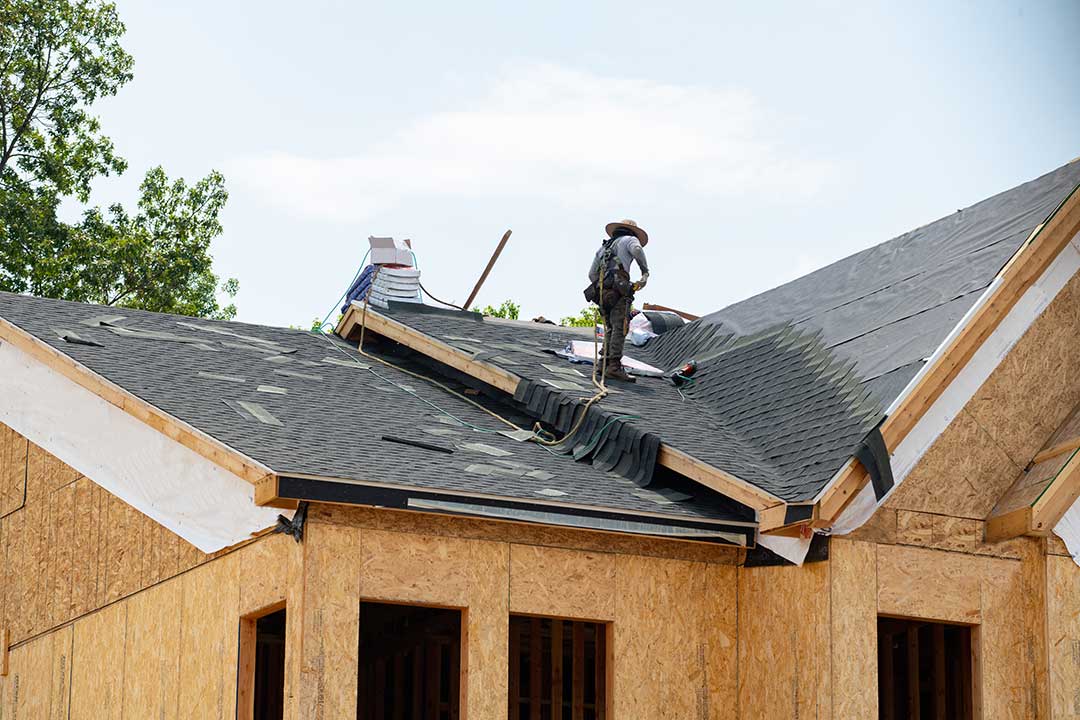
Ultimately, the best design balances aesthetics with year-round energy performance, tailored for local weather patterns.
Are There Hidden Energy Savings From Roof Replacement?
Along with the direct benefits of improved insulation and less air leakage, some secondary energy savings often emerge:
- Reduced drafts and cold spots, making living spaces more comfortable and lowering the thermostat setting needed for comfort.
- Less strain on heating and cooling equipment, potentially lowering maintenance costs and extending system lifespan.
- Fewer moisture problems in attic spaces, which can reduce mold mitigation costs and improve indoor air quality.
What Are Common Misconceptions About Roof Replacement and Energy Savings?
Many Ontario residents believe that only the attic insulation impacts heating and cooling bills, but the roof system is a central part of the home's energy envelope. A new roof alone will not fix severe insulation deficiencies in walls or windows, but it can address gaps, leaks, and poor ventilation that account for substantial energy loss—especially in older homes.
Another misconception is that all new roofs have the same energy benefits. The quality of materials and proper installation for local conditions are just as important as the decision to replace the roof itself.
What Should Ontario Residents Look for When Considering a Roof Upgrade?
When planning a roof replacement for energy savings, it’s useful to:
- Ask about attic insulation levels and ventilation, and upgrade as needed during roof work.
- Select roofing materials rated for energy efficiency and resilience in the local climate.
- Ensure that contractors are familiar with the particular needs of homes in Ontario, from snow loads to ice dam prevention details.
By understanding how the whole roofing system interacts with the home’s energy profile and the local environment, residents can make choices that deliver better comfort and lower utility bills year-round.
