
What Are Roof Fire Ratings and Why Do They Matter Here?
Roof fire ratings tell you how well a roofing material can withstand fire and slow its spread. For Ontario, NY homeowners, these ratings help guide safer choices that respond to the region’s blend of older homes, changing weather patterns, and proximity to rural landscapes where brush fires, lightning, or windborne embers may pose increased risks.
Understanding these ratings isn’t just for experts; it’s a practical way to help protect families and property in the city, particularly in areas surrounded by mature trees or where legal codes reference fire safety.
How Are Roof Fire Ratings Determined?
Fire ratings are assigned through laboratory tests, not guesses or sales claims. Testing agencies—mainly Underwriters Laboratories (UL) or ASTM—apply standardized flame sources to roofing samples under controlled conditions. The main ratings are:
- Class A: Highest resistance to fire. Materials must resist severe exposure to fire originating outside the building and do not allow flames to spread across the surface.
- Class B: Moderate resistance. Materials resist a moderate test flame but may not withstand more severe exposure.
- Class C: Basic protection. Materials resist a light test flame but generally burn or allow flame to spread quickly under heavier exposure.
Some materials are unrated, offering little meaningful fire protection. Period homes and older outbuildings in Ontario are more likely to have these low-resistance or outdated materials unless they have been recently upgraded.
What Types of Roofing Materials Are Used Locally and How Do They Rate?
Ontario covers a range of housing periods, from historic farmhouses to new builds. Common roof types include:
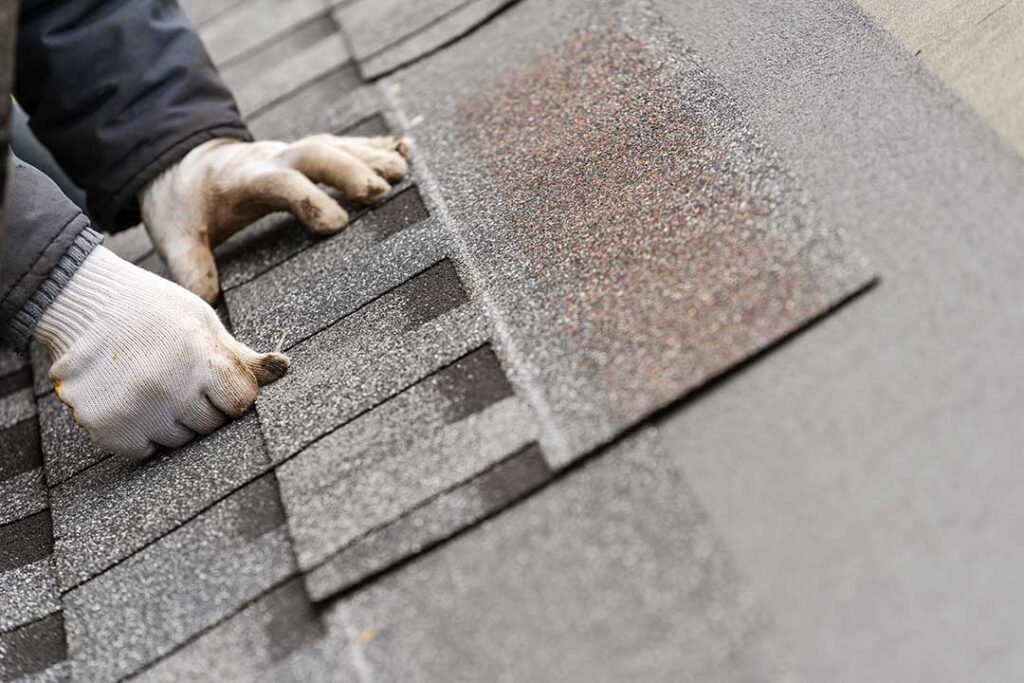
- Asphalt Shingles: Most modern, fiberglass-based asphalt shingles achieve a Class A rating when properly installed on fire-rated underlayment. Many area homes use these due to price, availability, and insurance preferences.
- Metal Roofing: When installed over a solid, non-combustible deck, metal roofs provide excellent Class A performance. They are popular for their durability in Ontario's climate and are naturally non-combustible.
- Wood Shakes/Shingles: Untreated wood products are often unrated or at best Class C. Some treated wood can achieve Class B or A, but local codes and insurance often restrict untreated wood roofing due to higher risks, especially in rural or wooded sections.
- Slate and Clay Tile: These materials are naturally non-combustible and typically qualify for Class A ratings, offering both local character and fire safety—but at a higher cost.
Installation quality matters just as much as material choices. Poorly installed roofs, regardless of rating, can fail prematurely or permit embers into attic spaces.
Are There Local Laws or Codes Connected to Roof Fire Ratings in Ontario, NY?
In areas like Ontario, roofing codes often refer to the New York State Building Code, which typically requires Class A roofs for new residential structures and when making significant repairs or replacements. Coverage can depend on local interpretations, historic exclusions, or proximity to forested land.
Multi-family dwellings, public buildings (like local schools), and homes near natural features (such as woods or fields) may have stricter fire safety requirements. Many insurance policies also set minimum performance standards—choosing a roof with at least a Class B rating is a common basic expectation in the community.
Checking code requirements before planning a roof project is recommended; local code offices or your town’s building inspection department can provide specifics if you’re unsure.
Do Fire Ratings Change Over Time or After Installation?
The fire resistance of a roofing system can diminish as it ages. Shingles and other roof components gradually dry, crack, lose protective granules, or become covered in moss or pine needles, all of which degrade performance.
- Age and wear: An old, brittle roof is less fire-resistant than a new one with the same rating.
- Improper repairs: Patches made with lower-rated (or unrated) materials can create weak points.
- Accumulated debris: Leaves, needles, or branches can support ignition and flame spread, defeating an otherwise Class A system.
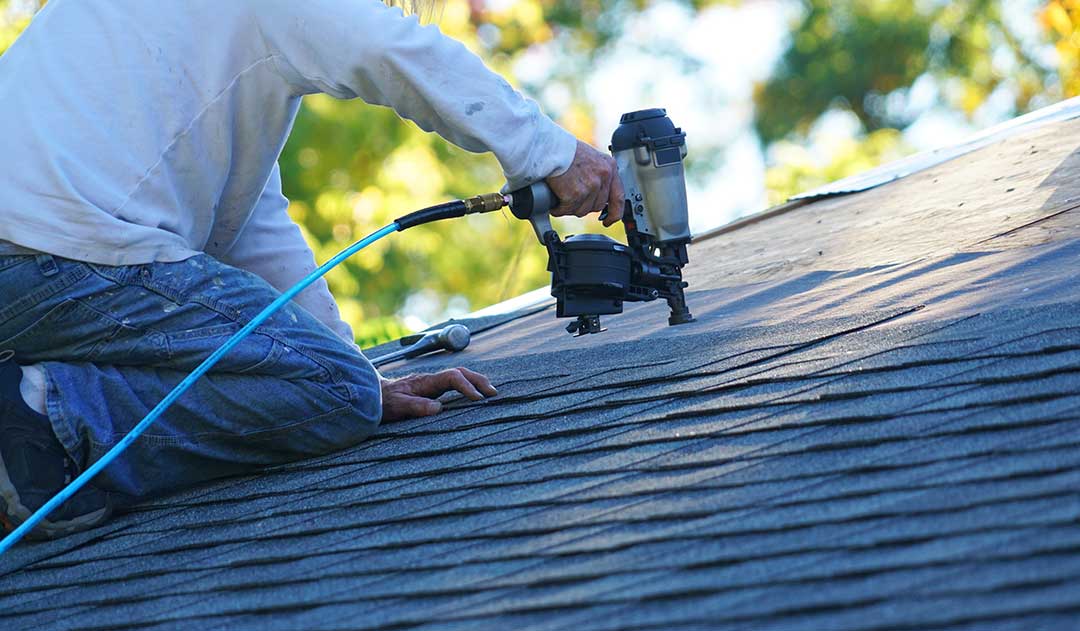
For residents concerned about fire resilience, periodic inspections and seasonal cleaning are practical ways to preserve safer conditions.
What Fire Risks Are Most Relevant for Area Households?
Ontario experiences a mix of seasonal threats—including summer thunderstorms, autumn leaf fall, and winter ice. The fire risk is highest during dry periods or when homes are surrounded by older vegetation.
Some homes near open fields or wooded edges face sporadic brush fires. Detached garages, barns, or sheds may have unrated older roofs that can carry fire risk back to the home. Wind-driven embers from a neighbor’s fire pit or bonfire, though rare, have ignited unmaintained or compromised roofs in the region.
What Are Common Misconceptions About Roof Fire Ratings?
- All new roofs are fire safe: Not always. Lower-quality or imported materials may be unrated or falsely labeled. Double-check with building permits or manufacturer labels.
- Only material matters: The entire system—decking, underlayment, vents, and installation details—together determines true fire resilience.
- Older homes are impossible to upgrade: Even century-old homes can usually be retrofitted with modern Class A systems, provided local design rules and historical standards are respected.
How Can Residents Support Safer Roof Choices?
Beyond just fire ratings, thoughtful home maintenance improves real protection. Consider:
- Clearing gutters and valleys of dry debris, especially after the fall leaf drop.
- Checking that eaves, attic vents, and skylights are screened to block embers.
- Choosing repairs that use rated, tested components instead of “mix-and-match” materials from old stockpiles.
- Discussing with your insurer whether a higher fire rating may affect local policy rates or requirements in Ontario.
Making informed decisions about roofing materials and their fire-resistance ratings can reduce the risk of fire-related damage in the city’s unique mix of settings, from compact neighborhoods to acres of open land.
