
How Do Asphalt Shingle Roofs Show Their Age?
Asphalt shingles are widely used in the Ontario, NY area due to their affordability and accessibility. Over time, they display several clear signs of aging that are easy to spot with a careful visual check.
Asphalt shingles typically show these changes as they age:
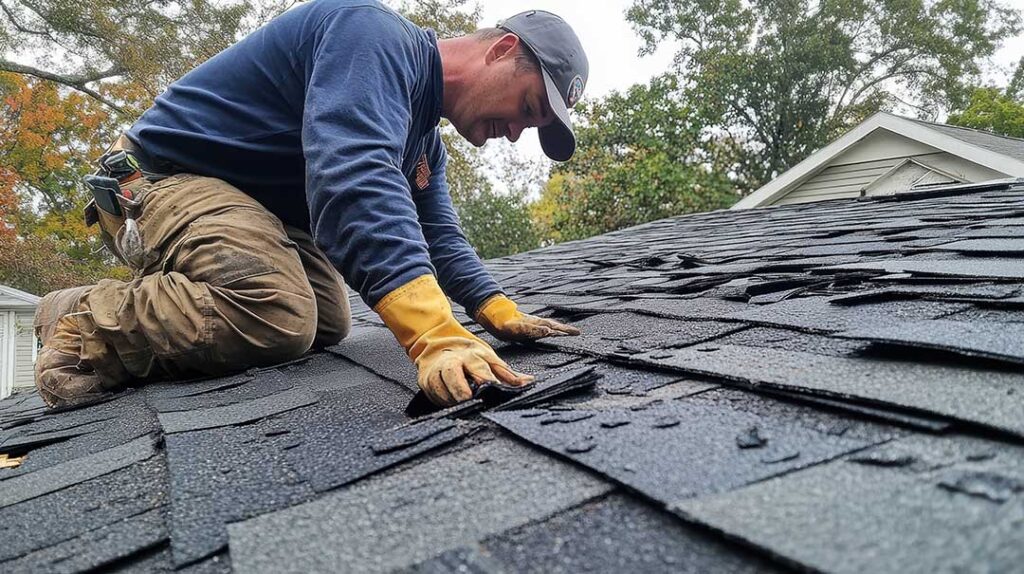
- Granule Loss: Older shingles often lose their protective granules, which may be visible in gutters or around downspouts. Bare patches on the shingles may appear darker and feel different in texture.
- Curling or Cupping: Shingle edges might curl upward or form a cup shape, especially after repeated freeze-thaw cycles common in the region.
- Cracking and Brittleness: Exposure to the dramatic temperature swings in the city can cause shingles to crack, split, or become brittle.
- Moss or Algae Growth: With the local humidity and tree cover, greenish streaks or fuzzy areas sometimes develop, which can indicate an aging or moisture-compromised roof.
Spotting any of these characteristics typically suggests the roof is reaching the end of its service life, especially if several issues appear at once.
What Are the Aging Signs on Metal Roofs?
Metal roofs, while known for their durability in the local climate, also experience changes as they age. Most metal roofs in the area endure decades of snow, rain, and sun, but telltale signs emerge over time.
Key indicators of aging on metal roofs:
- Fading or Chalkiness: Paint or weatherproof coatings may lose their brightness or develop a powdery residue.
- Rust and Corrosion: Particularly at seams, fasteners, or areas where snow accumulates, orange or brown rust spots indicate material deterioration.
- Loose Fasteners or Panels: Time and seasonal expansion/contraction cycles can loosen screws or snap panels out of alignment.
- Dents or Deformation: Heavy hail, fallen branches, or foot traffic can leave dimpled areas that may not be obvious from the ground.
Sometimes, homeowners overlook subtle water leaks caused by tiny gaps, thinking metal is completely impervious. However, even minor breaches can permit gradual water entry, making seasonal inspection especially valuable in this climate.
How Can You Identify Aging Wood Shake or Shingle Roofs?
Wood shake and shingle roofs are less common but can be found on older or historic homes throughout Ontario, NY. Their signs of aging are distinctive due to the organic nature of the material.
Watch for these symptoms:
- Splitting and Warping: Wood expands and contracts significantly with local seasonal changes, causing splits, curling, and irregular warping along the surface.
- Surface Erosion: Over the years, rain and wind erode the soft grain, leading to thin, uneven areas.
- Lichen, Moss, or Rot: Persistent dampness may encourage green growth or soft rot, particularly in shaded spots.
- Loose or Missing Pieces: Nails can work their way loose, leading to individual shakes shifting or slipping out of place.
It’s common for residents to misinterpret natural graying as failure, but unless accompanied by any of the above issues, color change alone often isn’t a reason for concern.
What Does Aging Look Like on Slate or Tile Roofs?
Slate and tile are prized for their longevity, but no material is entirely immune from age. In the city, these roofs are often seen on older and custom homes.
Aging markers in slate and tile roofs include:
- Flaking or Delamination: Individual tiles or slates may begin to separate into flakes, particularly after repeated winter freeze-thaw cycles.
- Cracked or Broken Tiles: Occasional fractures can develop, especially in spots with foot traffic or impact from debris.
- Slipped or Missing Pieces: Since tiles and slates are typically installed in overlapping courses, movement or voids after wind events are alarming signals.
- Staining: Irregular dark or rusty streaks can occur from water permeation or metal flashings.
A tidy rooftop with a couple of slightly misaligned slates is often less urgent than roofs with active leaks or obvious broken pieces, but even these minor signs deserve monitoring due to local snow loads and wet springs.
How Does Ontario’s Climate Affect Roof Aging?
Ontario, NY’s snowy winters, wet springs, and humid summers speed up many typical roofing issues seen elsewhere. Rapid temperature swings in March and April can cause extra stress on older shingles and shakes, increasing the likelihood of splitting and shifting. Frequent snowmelt and ice damming may worsen water entry in loose seams or under older flashings.
Common local climate-related aging triggers:
- Repeated freeze-thaw cycles (damaging to asphalt, wood, and slate/tile)
- High humidity and shade fostering moss or algae (asphalt, wood)
- Heavy snow loads challenging fasteners and seams (metal, tile, slate)
- Wind gusts loosening shingles or panels
Small warning signs may progress quickly in the region’s climate—seasonal checks during spring thaw and after major storms are especially valuable for local homeowners.
Are There Overlooked Red Flags Most People Miss?
Homeowners might focus only on visible shingle or tile damage, but some warning signs of aging are subtle:
- Discolored attic ceilings or damp insulation can indicate concealed leaks.
- Unexplained increases in heating bills sometimes suggest insulation or air sealing issues caused by roof deterioration.
- Excessive granules in gutters are sometimes mistaken for dirt but often signal an aging asphalt roof.
- Rust streaks descending from roof flashings or vents may mean flashing failure, not just surface aging.
Looking for symptoms inside as well as outside gives a more complete picture of overall roof health, especially for homes with complex rooflines or attics.
